
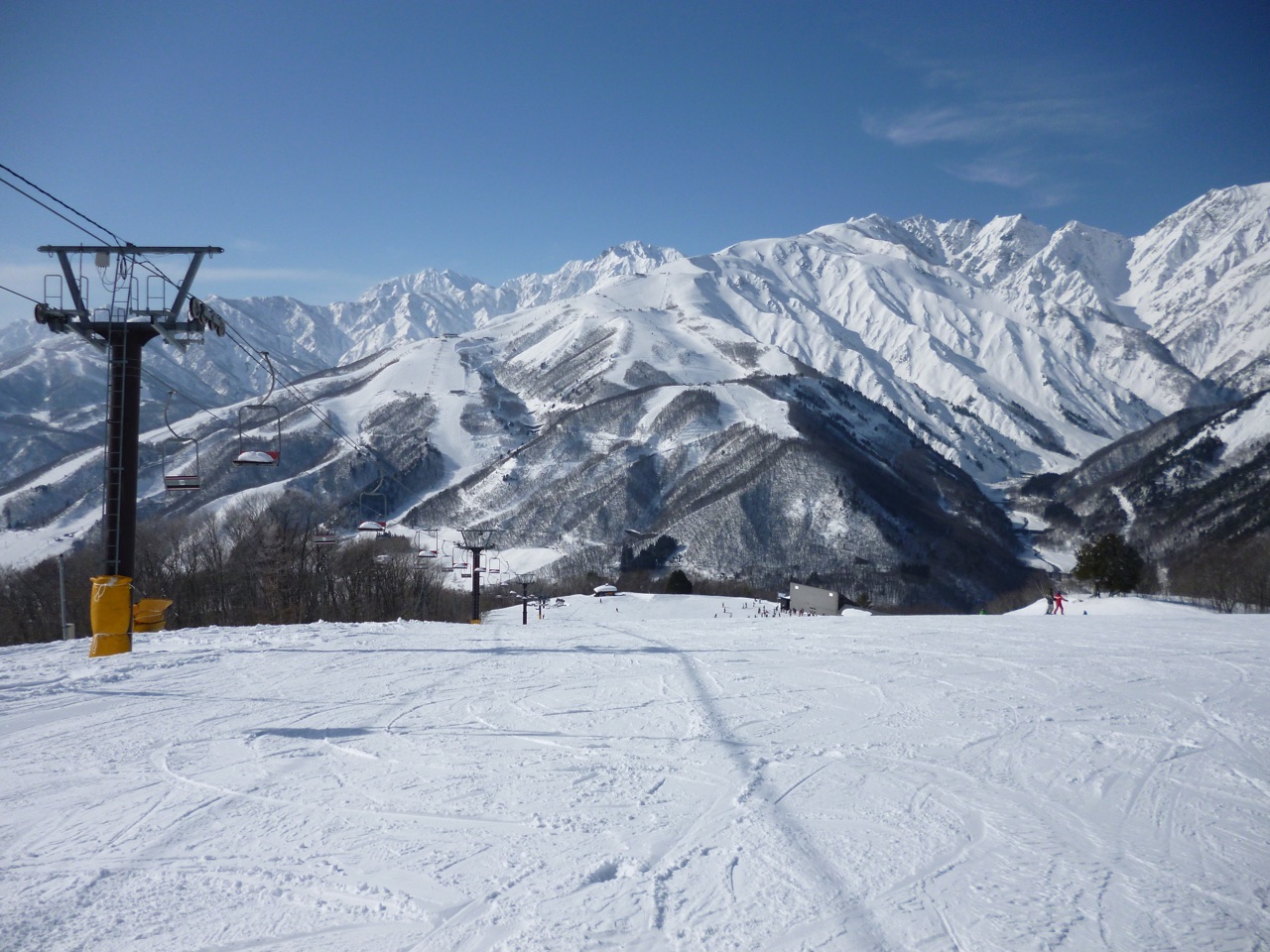
Getting to Hakuba from Tokyo airports
Hakuba's main rail hub is Nagano Station. Japan's official tourism site for the area names Haneda and Narita as the closest international airports, and points travellers to the Shinkansen from Tokyo Station to Nagano, then a bus. (japan.travel)
Hokuriku Shinkansen to Nagano
From Tokyo Station, take the Hokuriku Shinkansen toward Nagano. JR East runs Kagayaki, Hakutaka and Asama services on the line; travel time Tokyo to Nagano is typically about 80 to 105 minutes depending on the train. Go! Nagano, the prefecture's official tourism site, puts the Hokuriku Shinkansen at roughly 90 to 100 minutes and notes about three departures an hour. (jreast.co.jp; db.go-nagano.net)
Express bus from Nagano to Hakuba
At Nagano Station, switch to an express bus into Hakuba Valley. Go! Nagano lists about 60 minutes for that leg after the Shinkansen. Hakuba Valley's own access page says Tokyo to Hakuba by Hokuriku Shinkansen and express bus can take as little as 2 hours 50 minutes end to end. Book the bus ahead in peak weeks; a ski bag makes the platform change slower. (db.go-nagano.net; hakubavalley.com)
From Narita or Haneda into Tokyo
Narita and Haneda both connect into central Tokyo before the Shinkansen. Allow time for immigration, the airport train or bus into the city, and a buffer at Tokyo Station. Winter shuttle buses also run from Narita and Haneda toward Nagano resorts in season; if you use one, check that season's timetable and luggage rules with the operator. Either way, a full ski bag is the awkward part of every transfer.
Getting to Hakuba from Osaka and Kansai
Hakuba Valley's access page lists Osaka at as little as 4 hours 50 minutes by Tokaido Shinkansen, Limited Express Shinano and Limited Express Azusa. Go! Nagano describes the same idea: Shin-Osaka or Kyoto to Nagoya on the Tokaido Shinkansen, then the Limited Express Shinano toward Matsumoto or Nagano, with a final train into Hakuba. (hakubavalley.com; db.go-nagano.net)
That route works year-round and suits a Kansai stopover before the snow. Night highway buses also run from the Osaka and Kyoto area toward Nagano in winter, but schedules change by season, so confirm before you rely on one. A ski bag on multiple train changes is harder than a suitcase alone.
Flying with skis: a short note
Rules differ by airline, route and fare, so check your own booking. On many international flights into Japan, a ski or snowboard bag counts as one piece of your normal checked allowance rather than a free extra, and excess charges apply if you go over. Pack skis, poles and boots together when the airline asks you to, because separately packed items can each count as a piece. For carrier-by-carrier detail, see our Niseko travel-light guide (https:/
Why leave the bag in Japan
Hakuba rewards repeat winters: the valley ticket covers multiple resorts, and plenty of people mix Tokyo or Kansai city days with a ski week. Hauling a board bag through Tokyo Station, then onto a Nagano bus, then back again, is the part that wears thin.
Keeping the bag in Japan means you fly with ordinary luggage, ride the Shinkansen without oversized gear, and still ski on your own setup. Renting in Hakuba is easy and many shops will swap demos as the snow changes. Storage fits people who already own gear they trust and who return most winters.
How Snow Locker works for a Hakuba trip
Snow Locker by Nippon Direct stores ski and snowboard bags at its storage base in Osaka between trips.
Reserve and send your bag
Choose a plan for the number of bags on your household account, then send your first bag to the Japan storage base within six months of reserving. Your 12-month storage period starts when that first bag checks in, not on the day you pay.
Check-in and records
Each bag gets its own ID and exterior condition photos, and you can follow its status in My Locker. The photos record the outside of the bag, not an inventory of its contents.
Delivery to your Hakuba hotel
Once your trip is booked, add your hotel and dates in My Locker. Hakuba is in Nagano, which sits in the Nagano / Niigata / Kanto transport zone on Snow Locker's rate table: ¥6,280 per bag, per one-way journey, for standard ski or snowboard bags up to 28 kg. Collection, hotel delivery and the return to storage are each a separate journey. Snow Locker confirms availability and scheduling before dispatch, and a requested date isn't a guarantee. Delivery from Osaka to Hakuba usually takes 2 to 3 days, so request it a few days before you arrive rather than counting on an exact date. Delivery covers most serviced hotels in Japan. Before you request delivery, check that your hotel can receive and hold a ski bag, and use the same name as on your reservation.
Plans and prices
Duo Storage: ¥59,800 for 12 months, 2 bags up to 28 kg each
Family Storage: from ¥79,600 for 12 months for 3 bags, plus ¥19,800 for each bag after the first two
Unlimited warehouse check-ins and releases during the 12 months. Transport is charged per bag, per journey.
One payment in Japanese yen, with no automatic renewal. Your card issuer may add conversion or international fees.
Full details are on the plans page (https:/
Season timing and when to request delivery
Hakuba's main ski season runs through winter into early spring; January and February are usually the busiest for flights, hotels and transfers. Request delivery as soon as your hotel is confirmed — usually 2 to 3 days from Osaka, so book a few days before you arrive rather than counting on an exact date — and leave room for weather and peak periods. For more on how delivery requests work, see the Japan delivery guide (https:/
Your next Hakuba trip, step by step
Reserve storage and send your bag within six months. The packing checklist (https:/
/ snowlockerjapan.com/ japan- snow- locker/ guides/ packing- checklist ) covers prep and the 28 kg limit. Book flights with your normal checked allowance only.
Once your Hakuba hotel is confirmed, add it and your dates in My Locker, request delivery a few days before you arrive, and check that the hotel will hold your bag.
Fly into Narita, Haneda or Kansai, travel light on the Shinkansen and bus, and meet your gear at the hotel.
After your last day, request a return to storage and fly home without the ski bag.
Skiing Hokkaido as well this year? See the Niseko travel-light guide (https:/
Frequently asked questions
12 months from when your first bag checks in at the Japan storage base in Osaka. You have six months from reserving to send that first bag, and the plan does not renew automatically.