
Getting from Tokyo to Zao Onsen
After arriving at Haneda or Narita, travel to Tokyo Station and take the Yamagata Shinkansen Tsubasa to Yamagata. There is no Shinkansen station in Zao Onsen itself. Check the train journey and connection for your travel date; allow additional time to get from the airport to Tokyo Station.
Yamagata Station to the onsen village
Yamagata Kotsu’s Zao Line departs from bus stop No. 1 at Yamagata Station and takes about 36 to 40 minutes to Zao Onsen Bus Terminal. The published one-way fare is ¥1,200 for adults and ¥600 for children. No reservation is required. Buy a ticket at the station information counter before joining the queue; the operator recommends arriving at the stop 20 minutes early during busy periods.
The final stretch to your lodge
Check the walking route from the bus terminal to your accommodation, especially if arriving after dark. A short distance on a map can be less convenient with a long ski bag on snowy streets. Ask your lodge about its nearest stop and any pick-up arrangement before travelling.
The train-and-bus route is straightforward with ordinary luggage, but every change adds another lift and carry when you bring skis. Check both your outward and return connections before booking a tightly timed itinerary.
Flying with skis: a short note
Rules differ by airline, route and fare, so check your own booking. On many international flights into Japan, a ski or snowboard bag counts as one piece of your normal checked allowance rather than a free extra, and excess charges apply if you go over. For carrier-by-carrier detail, see our Niseko travel-light guide (https:/
Why leave the bag in Japan for Zao Onsen
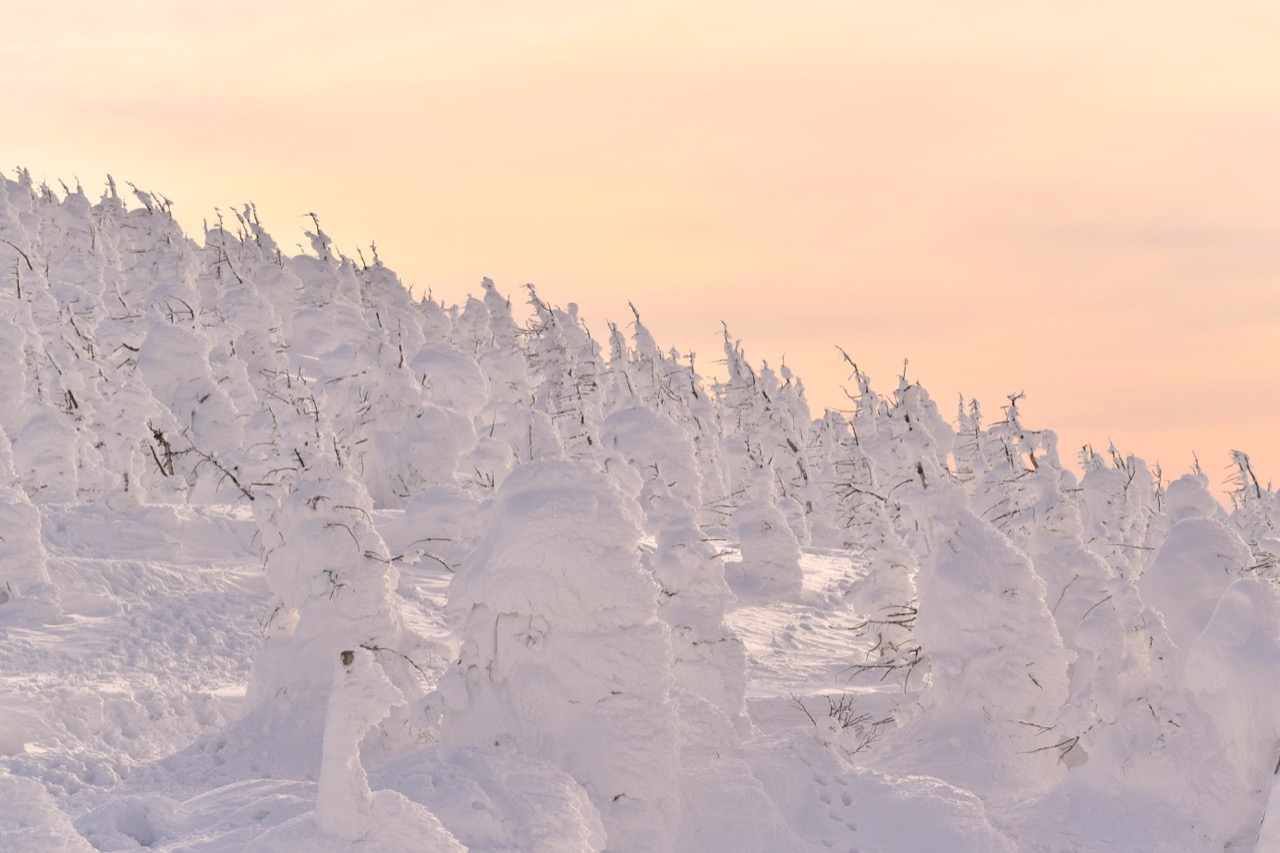
Zao suits skiers who want a traditional onsen village as much as the slopes: soak after skiing, walk the town in the evening, and ride the ropeway up toward the juhyo (snow monsters) when conditions allow. Because you’re changing from Shinkansen to a local bus into a compact village of ryokan and small hotels, travelling light matters more here than at a self-contained fly-in resort.
Keeping your bag in Japan means you ride the Shinkansen and the local bus with ordinary luggage, and you can arrange for your gear to be delivered to your lodge before skiing. If you’re only coming once, renting in the village is the simpler choice. Storage suits people who already own gear they trust and come back most winters.
How Snow Locker works for a Zao Onsen trip
Snow Locker by Nippon Direct stores ski and snowboard bags at its storage base in Osaka between trips.
Reserve and send your bag
Choose a plan for the number of bags on your household account, then send your first bag to the Japan storage base within six months of reserving. Your 12-month storage period starts when that first bag checks in, not on the day you pay.
Check-in and records
Each bag gets its own ID and exterior condition photos, and you can follow its status in My Locker. The photos record the outside of the bag, not an inventory of its contents.
Delivery to your Zao Onsen accommodation
Once your accommodation is confirmed, add the property and your dates in My Locker. Zao Onsen is in Yamagata, in the Tohoku transport zone. The listed rate is ¥7,280 per bag, per one-way journey, for standard ski or snowboard bags up to 28 kg. Collection, hotel delivery and return to storage are each charged separately. Delivery timing is confirmed when you request the service. Allow time for warehouse preparation, courier cut-offs, peak periods and snow disruption. A requested date is not a guaranteed arrival date. Outbound resort deliveries do not get a time slot.
Small ryokan and family-run hotels may not have staff at reception all day. Confirm that your property can receive and hold the bag, using the same name as your accommodation booking. Yamato’s general Ski TA-Q-BIN guidance asks for dispatch at least two days before the ski-use date, or three days in some areas. This is not a verified delivery time for this route and does not include warehouse preparation.
Plans and prices
Solo Storage: ¥34,800 for 12 months, 1 bag up to 28 kg
Duo Storage: ¥59,800 for 12 months, 2 bags up to 28 kg each
Family Storage: ¥79,600 for 12 months for 3 bags (Duo ¥59,800 + one additional bag ¥19,800). Each fourth and subsequent bag adds ¥19,800
Unlimited warehouse check-ins and releases during the 12 months. Transport is charged per bag, per journey.
One payment in Japanese yen, with no automatic renewal. Your card issuer may add conversion or international fees.
Full details are on the plans page (https:/
Season timing and when to request delivery
Check Zao’s official ski-area and ropeway updates before choosing early- or late-season dates. Snow monsters are a weather-dependent natural phenomenon, not a guaranteed attraction on a particular day. JNTO highlights around mid-February for viewing; visibility, wind and ropeway operation still matter.
Once your accommodation is confirmed, request delivery and ask the property how early it can accept a bag. The delivery schedule is confirmed for your request, with time allowed for warehouse preparation and winter disruption. Avoid planning a first ski lesson around an unconfirmed parcel arrival.
Your next Zao Onsen trip, step by step
Reserve storage and send your bag within six months. The packing checklist (https:/
/ snowlockerjapan.com/ japan- snow- locker/ guides/ packing- checklist ) covers prep and the 28 kg limit. For return trips after storing your gear, book flights with the baggage allowance you need for your other luggage.
Once your Zao lodge is confirmed, add it and your dates in My Locker, request delivery several days before you arrive, and check that the property will hold your bag.
Travel with your ordinary luggage and collect your gear at the accommodation according to the confirmed delivery arrangement.
After your last day, request a return to storage and head home without the ski bag.
New to storage? Start with your first season guide (https:/
Frequently asked questions
12 months from when your first bag checks in at the Japan storage base in Osaka. You have six months from reserving to send that first bag, and the plan does not renew automatically.
Sources and planning notes
Checked on 29 October 2026. Recheck transport timetables, fares and operating dates with the official operator before booking. Where a previous-season timetable is used, the article labels it as a reference only. Snow and lift conditions can change. Courier guidance is not a confirmed route delivery time. Photographs show the destination, not current snow conditions.